
Recognizing Bipolar Disorder in Children and Adolescents | Safe and Sound
Bipolar disorder affects not only adults but can also occur in children and adolescents, posing numerous challenges for both families and schools. Early recognition of the signs of this disorder is crucial for timely intervention and treatment, helping children develop normally.
Phi Thuy Linh | Bachelor of Public Health – Application of Safe and Sound Mental Health Care
Institute of Applied Medical Technology
1. What is bipolar disorder in children and adolescents?
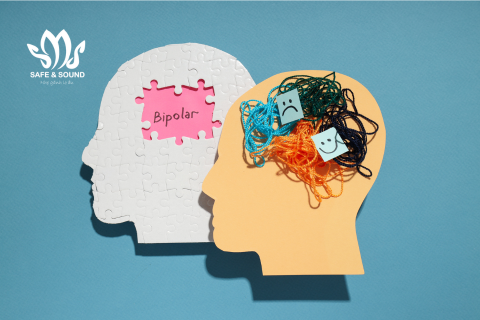
Bipolar disorder in children and adolescents
Bipolar disorder is a mental disorder characterized by erratic shifts between manic and depressive episodes. In children and adolescents, these symptoms can manifest differently than in adults, and are often difficult to recognize. Symptoms are frequently confused with common behavioral problems or mood swings typical of this age group. Therefore, if suspicious symptoms appear, take your child to see a psychologist or psychiatrist.
Bipolar disorder can affect children of any age, but it is most often diagnosed in adolescents. This is a higher-risk period, with the prevalence of bipolar disorder ranging from 1–2% in this age group.
2. The role of psychologists in diagnosing bipolar disorder
Diagnosing bipolar disorder in children and adolescents is not always straightforward. Psychologists need to consider various factors, including behavioral observation, family medical history, and specific symptoms. Given the complexity of the symptoms, only a psychologist or psychiatrist can provide accurate professional assessments and identify the signs necessary for timely intervention.
3. Signs and symptoms of bipolar disorder in children and adolescents
Below are the key signs of bipolar disorder in children and adolescents that psychologists often use to assess the condition:
3.1 Mania Phase
The manic phase in bipolar disorder often causes children and adolescents to become excessively active and energetic, but not in a positive way. Psychologists note that signs of a manic phase include:
- Hyperactivity and fast thinking : Children may be excessively active, constantly running and jumping, unable to sit still, or performing many actions without a specific purpose. In their minds, ideas and thoughts often come in a rush, quickly. This causes them to speak quickly, change topics abruptly, making it difficult for listeners to keep up.
- Overconfidence or extreme optimism : Children may think they are special or exceptionally capable compared to others. This can lead to excessive self-esteem and an underestimation of potential risks.
- Irritability and mood swings : Unlike adults, children and adolescents in manic episodes don't necessarily feel happy. Instead, they may become irritable, upset, and even exhibit aggressive behavior when discouraged or faced with unpleasant situations.
- Engaging in risky behaviors : During a manic episode, children are more likely to engage in dangerous behaviors such as speeding, using stimulants, wasteful spending, or undertaking dangerous challenges without considering the consequences.
- Sleep disturbances : Children may sleep very little but still be full of energy the next day. This can last throughout the manic episode and significantly affect the child's overall health.
3.2 Signs of the Depressive Phase
In contrast to the manic phase, during the depressive phase, children often exhibit symptoms similar to depressive disorders, including:
- Prolonged feelings of sadness or despair : This is one of the most easily recognizable signs. Children may appear depressed, withdrawn, and lose interest in everyday activities.
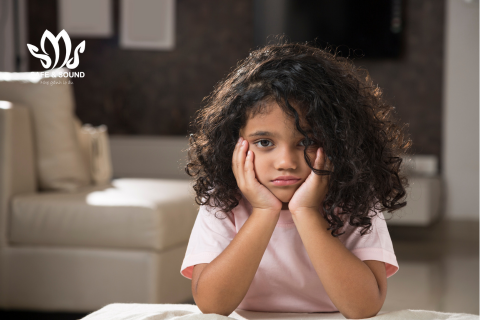
Children often experience prolonged feelings of sadness and despair.
- Lack of energy and fatigue : Children and teenagers in this stage often feel tired and unmotivated to do anything. Even previously favorite activities no longer bring them joy or interest.
- Difficulty concentrating, slow thinking : Children may struggle with learning, completing assignments, or making decisions. Slow thinking and an inability to focus on everyday activities can easily lead to feelings of low self-esteem.
- Guilt and low self-esteem : Children may easily feel useless, guilty, or think they are a burden to their loved ones and parents. This feeling can lead to self-blame and exacerbate symptoms of depression.
- Changes in sleep and eating habits : During episodes of depression, children often sleep too much or too little, eat more or skip meals. These changes weaken their health and negatively impact their daily lives.
- Self-harming thoughts or suicidal behavior : In severe cases, children may have self-harming thoughts or even suicidal behavior. This is a sign that requires urgent intervention from a psychologist and psychiatrist to ensure the child's safety.
3.3 Mixed Manifestations
Some children and adolescents may exhibit signs of both manic and depressive episodes simultaneously. This state is often difficult to identify and complicates treatment. Mixed manifestations include:
- Sad and desperate, yet highly agitated : Children may feel sad but be unable to stop being active, easily irritable, and prone to overreacting.
- High suicidal thoughts : Children may have self-harming thoughts, or even engage in dangerous behaviors, due to excessive energy during manic episodes interspersed with negative thoughts.
Psychologists recommend that these mixed states need to be identified early to minimize the risk of self-harm and to support children in stabilizing their mental health in a timely manner.
.png)
4. Causes and Risk Factors
Bipolar disorder often doesn't have a single cause but is a combination of genetic factors, hormones in the brain, and environmental factors. A psychologist can help families better understand these risk factors, such as:
- Genetics: Children with a family history of bipolar disorder are at higher risk.
- Living environment and psychological trauma: Stress from family, school, or society can also contribute to an increased risk of developing the disease.
To better understand this condition, seek advice from a mental health professional regarding risk factors and prevention methods for bipolar disorder in children and adolescents.
5. When should I see a psychologist?
If you notice your child exhibiting these symptoms for more than two weeks and they are affecting their daily life, take them to a mental health professional. The professional will help assess whether your child has bipolar disorder and recommend appropriate treatment. Early detection and timely support can reduce symptoms, helping your child integrate and develop healthily.
Bipolar disorder in children and adolescents is a serious problem, not only for the child but also for the family. Early recognition of signs and seeking help from a mental health professional is crucial for timely intervention. With the right treatment, children can learn to manage their emotions and build more stable lives. A mental health professional will always be there to support and help children overcome bipolar disorder and provide the best possible support on this journey.

Recognizing bipolar disorder in children and adolescents
If you suspect you have a mental health problem, or would like more information about our counseling services, please contact our HOTLINE at 0964 778 911 (Phone/Zalo, 24/7) for prompt assistance and answers!
HOW TO SCHEDULE AN APPOINTMENT for online or in-person consultation with a specialist.
- On the SNS Psychologist Fanpage
- Alternatively, download and schedule a consultation on the Safe and Sound app to manage and track your appointments anytime, anywhere.

See more:
